
The Truth about Vaccines
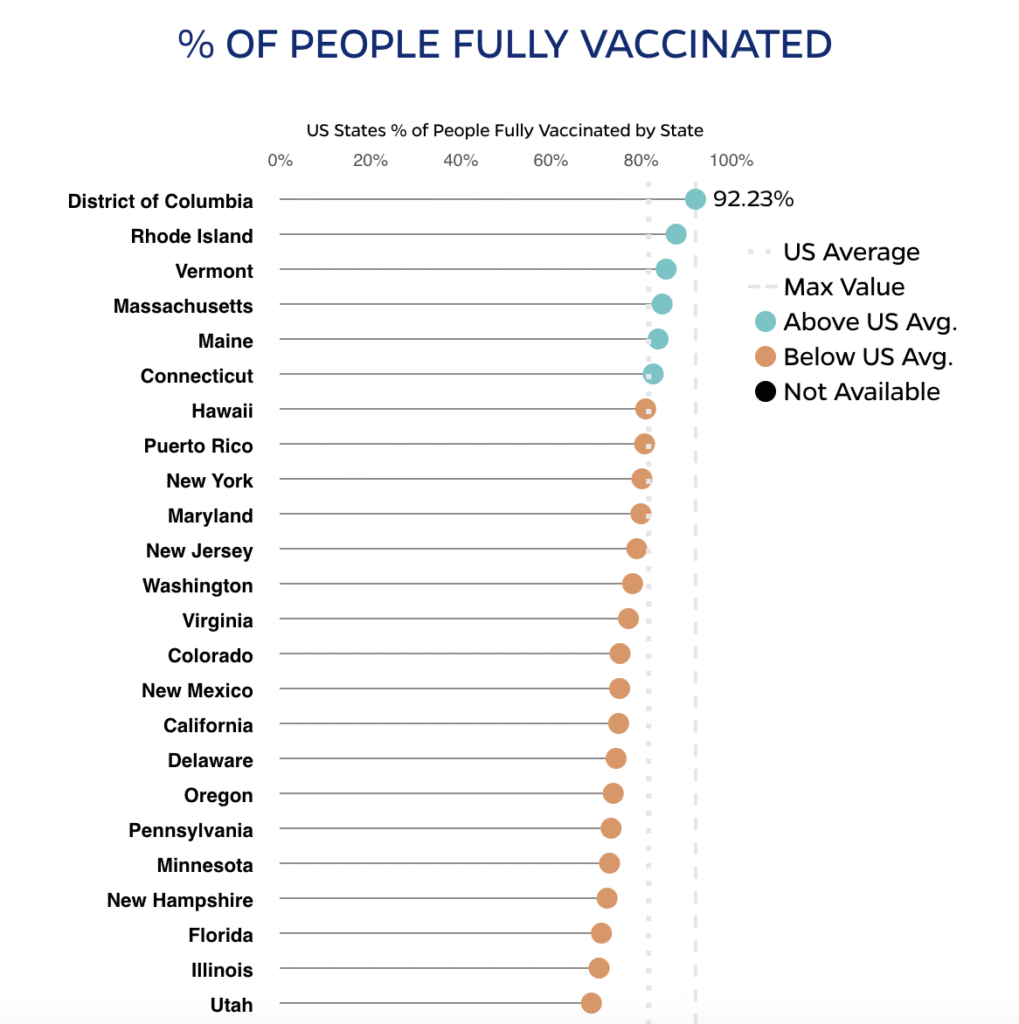
Vaccines are a rapidly growing industry within the U.S., with many Northern states having a signifigantly higher vaccinated population compared to southern states. This discrepancy can be attributed toward the growing controversy regarding vaccines. Do they do more harm than good? Can they actually prevent certain illnesses? These are all common questions, and are questions that should be asked. These are all questions that are going to be answered in this article as well!
What are Vaccines:
While vaccines are widely accepted in most developed countries and are considered the killers of poliomyelitis and smallpox, they are still differing perspectives regarding them. However, it is important to note that measles, poliomyelitis, and pertussis outbreaks in developed countries have been connected to under and non vaccinated communities. Before we delve deeper into this topic, perhaps it is best to fully understand what vaccines aim to accomplish. Vaccines attempt to prevent life-threatening illnesses by mimicking an infection in order to employ the body’s natural defense system. Vaccines contain an active ingreident—component that produces the desired effect– which is always an antigen. Antigens refer to anything that encourages the human body to produce antibodies, which are proteins created by white blood cells to locate and neutralize foreign substances. White blood cells originate in bone marrow and spread out to multiple areas of the body in small numbers. When ready to attack foreign substances, they begin multiplying. After they have fought off an infection their numbers drop again. Antigens in vaccines can range from weakened/ killed bacteria or viruses, small amounts of surface or genetic material from bacteria or virusues, or bacterial toxins that have been treated to be non toxic. In essence, the logic of vaccines is that since the antibodies have been exposed to the certain antigen, if they come into contact with it again they will be equipped to fight it off.
Do Vaccines Work?
The bottom line is yes, they do work! Let’s take the Covid vaccine for example. In a 2021 study it was found that the Covid -19 vaccine reduced non-ICU hospitalizations, ICU hospitalizations, and deaths decreasing by 63.5% across people aged 65 and older. This means that out of vaccinated population in study aged 65 or older 63.5% did not experience adverse effects of Covid 19.
Popular Myths Regarding Vaccines:
Many people claim that vaccines contain harmful ingredients that could be dangerous. While this may sound plausible it ignores the dosage of the ingredients. In general a large amount of anything is dangerous. Vaccines do contain ingredients with a large amount of stigma surrounding them but with a lower dose than we are exposed to in our everyday life. For example, thimerosal was used as a preservative in some influenza vaccines but has been discontinued as of 2025 (no evidence that exposure caused any harm). Furthermore, formaldehyde is an inactive agent in certain vaccines. But, formaldehyde is also commonly found in common household products like cosmetics, markers, cough drops, and carpets. The amount of formaldehyde is dramatically lower in vaccines than in these everyday products. Aluminum is also added in some vaccines but also for the sole purpose of boosting our immunity to the vaccine. Keep in mind that the amount of aluminum in vaccines is much lower than the amount consumed in foods everyday
Another common myth is that vaccines can cause illnesses such as autism and sudden infant death syndrome. The truth is that vaccines go through a rigorous process to get approved in order to ensure safety. The majority of vaccine side effects consist of a fever or a sore arm which are both temporary. It is in extremely rare cases that vaccines can lead to major health crises. To illustrate this, in a study of 6966 participants it was found that 3.1% of the participants sought medical care for post-vaccination side effects, and 0.3% were hospitalized. Additionally, your health is much more likely to be affected by the disease the vaccine targets the vaccine itself. For example, polio which is preventable by a vaccine can cause paralysis. Additionally there is no evidence that connects Autism of sudden infant death syndrome to vaccines, and past studies suggesting this connection have been found to be extremely flawed.
Another common misconception is that since everyone else is vaccinated there is no point in receiving a vaccination. This idea of “herd immunity” only works when a large number of are vaccinated in a community. This herd immunity will disappear if more and more people who do not need to rely on it. Pregnant women, infants, and immunocomprised individuals are dependent on this, so by not getting vaccinated you could effect this.
Conclusion
At the end of the day, the majority of controversy surrounding vaccines stems from myths, and while the side effects of vaccines could be an argument, the effects are acute and will rarely ever lead to severe consequences. Vaccines keep people healthy, and if your doctor recommends one, please consider listening to them. Years ago the human race was suffering from polio, smallpox, and measles. But, because of vaccines these issues have been largely mitigated. Dr Gowtham a pediatric infectious disease physician claims that “When you have some protection, you’re not going to have as severe of an infection and that would decrease hospitalizations and deaths from these illnesses.”
Works Cited
American Academy of Allergy Asthma & Immunology. “Vaccines: The Myths and the Facts.” Aaaai.org, 10 Jan. 2024, www.aaaai.org/tools-for-the-public/conditions-library/allergies/vaccine-myth-fact.
Centers for Disease Control and Prevention. “Explaining How Vaccines Work.” Vaccines & Immunizations, CDC, 10 Aug. 2024, www.cdc.gov/vaccines/basics/explaining-how-vaccines-work.html.
Dreyer, Nancy, et al. “How Frequent Are Acute Reactions to COVID-19 Vaccination and Who Is at Risk?” Vaccine, vol. 40, no. 12, Mar. 2022, pp. 1904–1912, https://doi.org/10.1016/j.vaccine.2021.12.072.
Dubé, Eve, et al. “Vaccine Hesitancy.” Human Vaccines & Immunotherapeutics, vol. 9, no. 8, 8 Aug. 2013, pp. 1763–1773, https://doi.org/10.4161/hv.24657.
Moghadas, Seyed M., et al. “The Impact of Vaccination on COVID-19 Outbreaks in the United States.” MedRxiv, vol. 2, no. 2, 2 Jan. 2021, pp. 1–16, www.ncbi.nlm.nih.gov/pmc/articles/PMC7709178/, https://doi.org/10.1101/2020.11.27.20240051.
“Understanding Vaccination Progress.” Johns Hopkins Coronavirus Resource Center, coronavirus.jhu.edu/vaccines/us-states.
“What Doctors Wish Patients Knew about Family Immunizations.” American Medical Association, 17 Jan. 2025, www.ama-assn.org/public-health/prevention-wellness/what-doctors-wish-patients-knew-about-family-immunizations.
World Health Organization. “Vaccine Efficacy, Effectiveness and Protection.” World Health Organisation, 10 Mar. 2025, www.who.int/news-room/feature-stories/detail/vaccine-efficacy-effectiveness-and-protection.